
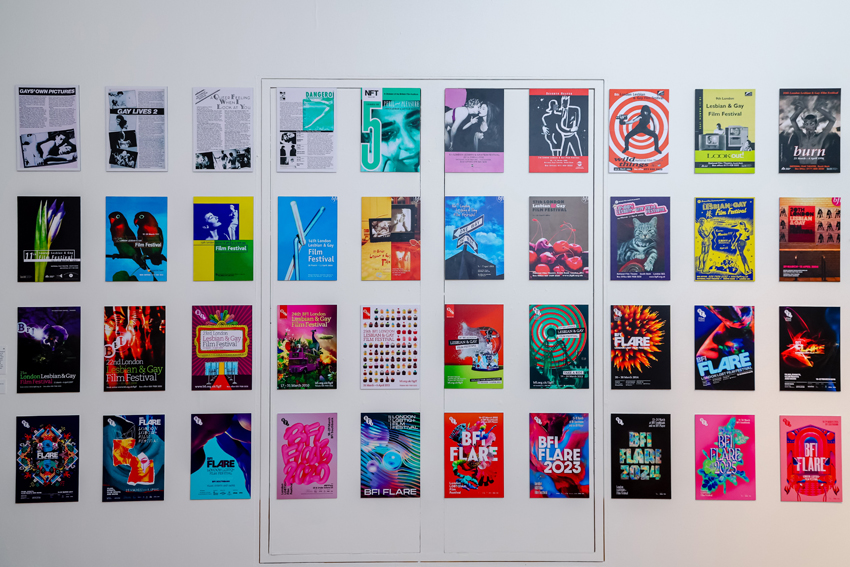
Andrew Given, Director of Queer Britain, on how the Museum is a tool for dialogue, healing, resistance and transformation for the LGBTQ+ community
When Queer Britain Museum opened in 2022, with a mission to Reclaim, Preserve and Inspire LGBTQ+ history and culture, our inaugural exhibition was titled We Are Queer Britain – a celebration of 50 Years since the first Pride march in the UK. It contained displays about the rise of the Gay Liberation Front, the HIV/AIDS epidemic, Switchboard helpline, Section 28 and the founding of Stonewall, through to celebrations of LGBTQ+ created art and literature.
This exhibition was complemented with a series of Community Residences and Special Exhibitions that ranged from stories by Gypsy, Roma and Traveller LGBTQ+ people, the activism of Jimmy Somerville and the Bronski Beat, to celebrating 20 Years of UK Black Pride.
However, worldwide attitudes to LGBTQ+ people have shifted dramatically with the global rise of right-wing opinion, with a hostile attitude towards segments of our community.
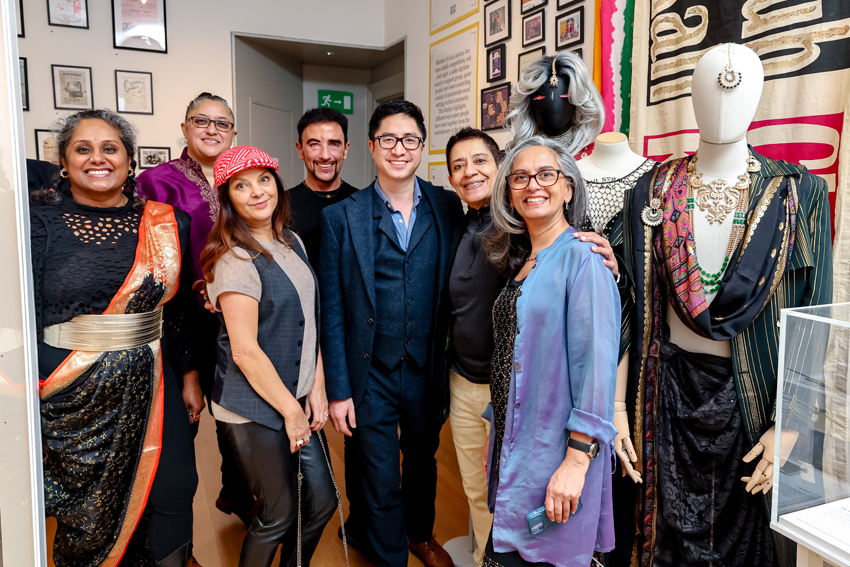
We wanted to redistribute power from the institution to the community and ensure that we are a ‘first-voice’ organisation with LGBTQ+ stories told by LGBTQ+ people – an ethos that is embedded into our exhibitions and displays, our collection, and our public programming, so we launched a public ‘strategic review’ consultation. With a combination of in-person workshops and an online survey, we asked our trustees, staff, volunteers, members, and the public “How can Queer Britain Museum be a tool for dialogue, healing, resistance and transformation for the LGBTQ+ community?”.
From the hundreds of responses, we looked at how our museum could be continuously evolving with new stories and objects, and telling unheard stories from across our community within the limited space of our three galleries.
We have developed a display programme for our largest gallery with six themes. These themes will remain static, but the stories and objects under these themes will change on a rolling 6, 9, 12 or 18-month basis. Combined with our Special Exhibition programme, our aim is that if a visitor attends all four of our Special Exhibitions each year, they should see at least one new story within the main gallery at each visit.
More importantly, the stories told under these themes will be co-curated; our methodology places lived experience at the heart of storytelling:
• Resist! looks at efforts to organise against oppression and will focus on the story of The Black Lesbian and Gay Centre, which was an integral contributor to the LGBTQ+ activism of the 1980s and 1990s. Co-curated by filmmaker Veronica McKenzie and a group of community members.
• Club Kids celebrates alternative ways of coming together and will open with a co-curated showcase of Club Kali – the UK’s first ever space welcoming all LGBTQ+ people to connect and celebrate their diverse South Asian heritage.
• Queer Creativity focuses on artistic pursuits and will tell the story of the Women’s Liberation music-making movement of the 1970’s and 1980’s in the north of England, which included major contributions from lesbian, bisexual, queer and trans women.
• Body and Mind reclaims narratives around LGBTQ+ experiences of health, illness and disability and will display a panel from the UK AIDS Memorial Quilt, part of the largest community arts project in history.
• Live, Laugh, Love tells stories of domesticity and relationships and will focus on Bloomsbury group members Lytton Strachey and Dora Carrington whose tight, loving bond included comfortably sharing boyfriends.
• The World Around Us explores the wider place of queer life in society and will open with the story of Justin Fashanu, the first Black footballer to have a £1 million transfer fee, who announced that he was gay in 1990 after being threatened with being outed by the press.
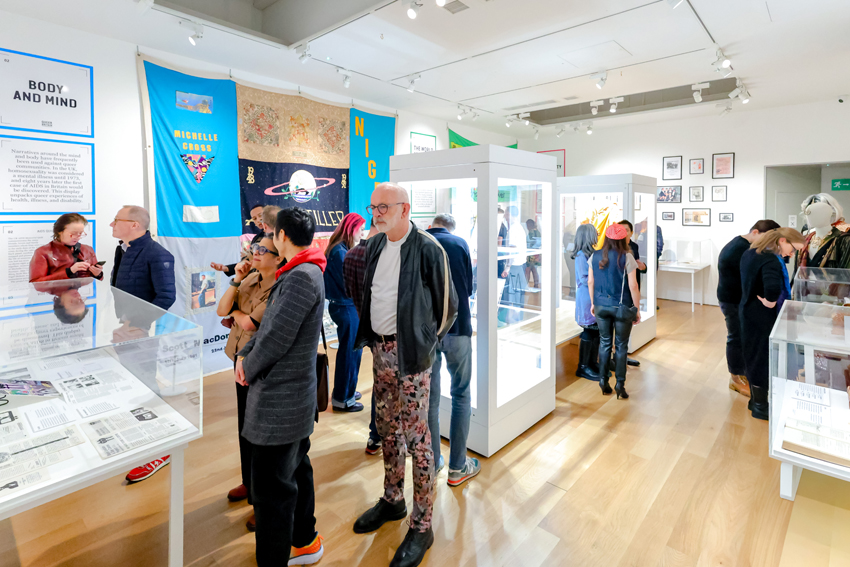
As an independent museum that operates without public core funding, we have to fundraise for all projects. To enable this new display programme to happen, we applied for grants and ran a crowdfunding style prize draw campaign. All of the funds raised have supported new display cases and object loans.
During a two-month closure period, our galleries have been repainted, the new themes have been installed and new display cases have arrived. Our current home in Granary Square, Kings Cross is actually a temporary home. We will occupy this space until 2030, and are currently working collaboratively with Camden, Islington, City of London, Westminster, Lambeth, Southwark and Mayor of London’s office to find a new, permanent home for the museum. In designing these six themes, we are future proofing the museum, as these themed displays will become six separate galleries in our new home.
Visitors can now see our brand-new approach to museum storytelling, and a diverse range of interesting, emotional, exciting and remarkable unheard LGBTQ+ stories, all told by LGBTQ+ people.
Andrew Given, Director of Queer Britain
Published 4 February 2026